Introduction: Understanding the Anti-Inflammatory Diet
Chronic inflammation has emerged as one of the most significant underlying factors contributing to modern disease. While inflammation itself is a natural and essential biological process, persistent low-grade inflammation has been strongly associated with a wide range of chronic conditions, including cardiovascular disease, type 2 diabetes, obesity, autoimmune disorders, neurodegenerative diseases, and certain cancers. In recent decades, scientific research has increasingly highlighted the role of diet as a powerful modulator of inflammation, leading to growing interest in the anti-inflammatory diet as a preventive and therapeutic nutritional approach.
The diet is not a short-term eating plan, detox, or restrictive fad diet. Instead, it is a science-based dietary pattern that emphasizes whole, nutrient-dense foods known to regulate inflammatory pathways, support immune balance, and reduce oxidative stress. Research indicates that long-term dietary habits can either promote chronic inflammation or help suppress it, making food choices a critical factor in overall health and disease prevention.
To understand the importance of an anti-inflammatory diet, it is essential first to understand what inflammation is, why it occurs, and how modern dietary patterns have shifted the body toward a pro-inflammatory state.
What Is Inflammation? A Biological Perspective
Inflammation is a fundamental immune response designed to protect the body from injury, infection, and harmful stimuli. When tissues are damaged or pathogens enter the body, the immune system releases signaling molecules such as cytokines, prostaglandins, and acute-phase proteins. These signals increase blood flow, recruit immune cells, and initiate tissue repair.
This process, known as acute inflammation, is short-term and beneficial. Examples include redness and swelling around a wound or fever during an infection. Once healing occurs, inflammatory markers return to normal levels.
However, problems arise when inflammation becomes chronic. Chronic inflammation is a prolonged, low-grade immune response that persists even in the absence of injury or infection. Unlike acute inflammation, chronic inflammation does not resolve naturally and instead causes ongoing tissue damage. Scientific studies have shown that elevated inflammatory markers such as C-reactive protein (CRP), interleukin-6 (IL-6), and tumor necrosis factor-alpha (TNF-α) are strongly associated with chronic disease development.
Why Chronic Inflammation Is a Major Health Concern
Chronic inflammation is often referred to as a “silent threat” because it can persist for years without obvious symptoms. Over time, it disrupts normal cellular function, alters metabolic processes, and weakens immune regulation. Epidemiological studies indicate that chronic inflammation plays a central role in:
- Atherosclerosis and heart disease
- Insulin resistance and type 2 diabetes
- Obesity and metabolic syndrome
- Rheumatoid arthritis and other autoimmune disorders
- Neuroinflammation linked to Alzheimer’s disease and depression
- Certain inflammatory cancers
Modern lifestyles have significantly increased exposure to factors that promote chronic inflammation. Physical inactivity, chronic stress, poor sleep, environmental toxins, and most notably, unhealthy dietary patterns have all been identified as key contributors.
The Role of Diet in Inflammation
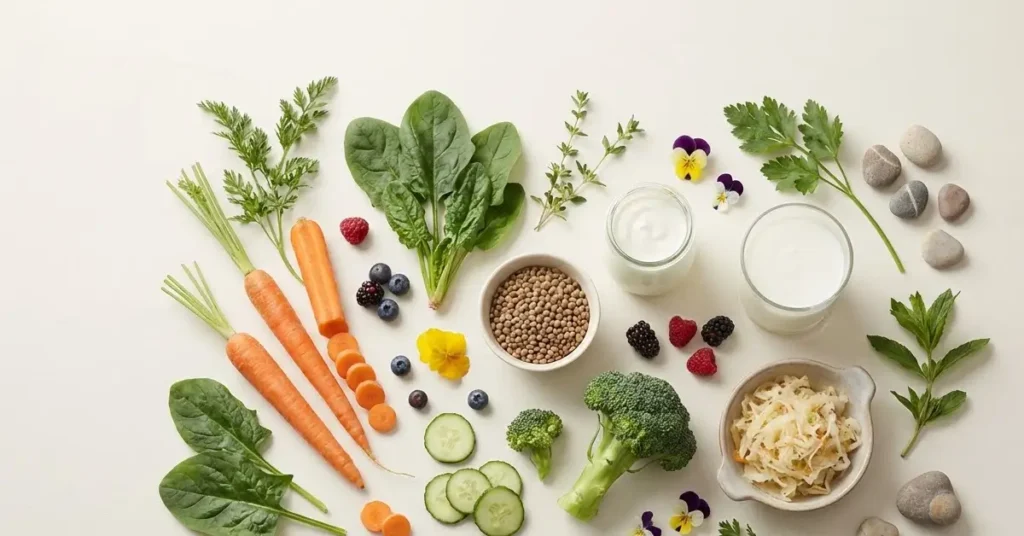
Diet is one of the most powerful and modifiable determinants of inflammation. Food influences inflammatory processes through multiple mechanisms, including oxidative stress, gut microbiota composition, insulin signaling, and immune system activation.
Highly processed diets rich in refined carbohydrates, added sugars, trans fats, and excessive omega-6 fatty acids have been shown to increase inflammatory markers. These foods promote rapid blood sugar spikes, increase insulin demand, and stimulate the release of pro-inflammatory cytokines.
In contrast, diets rich in whole foods, fiber, antioxidants, and healthy fats have been consistently associated with lower levels of systemic inflammation. This scientific understanding forms the foundation of the anti-inflammatory diet, which focuses on nourishing the body with foods that actively reduce inflammatory responses.
[1]
What Is an Anti-Inflammatory Diet?
An anti-inflammatory diet is a dietary pattern designed to minimize chronic inflammation while supporting immune balance and metabolic health. It prioritizes foods that provide antioxidants, polyphenols, omega-3 fatty acids, vitamins, minerals, and bioactive compounds known to regulate inflammatory pathways.
Rather than eliminating entire food groups, the anti-inflammatory diet emphasizes quality, balance, and sustainability. It shares strong similarities with dietary patterns such as the Mediterranean diet and DASH diet, both of which are supported by extensive clinical research.
Key principles of an anti-inflammatory diet include:
- Emphasis on whole, minimally processed foods
- High intake of vegetables and fruits
- Inclusion of healthy fats, particularly omega-3 fatty acids
- Adequate fiber intake to support gut health
- Limited consumption of refined sugars and ultra-processed foods
Importantly, the anti-inflammatory diet is not a rigid prescription. It is adaptable across cultures, cuisines, and personal preferences, making it a practical long-term lifestyle approach rather than a temporary intervention.
Scientific Evidence Supporting the Anti-Inflammatory Diet
A growing body of scientific literature supports the effectiveness of the anti-inflammatory diet in reducing chronic inflammation. Large population studies have demonstrated that individuals who follow anti-inflammatory dietary patterns show significantly lower levels of CRP and other inflammatory biomarkers.
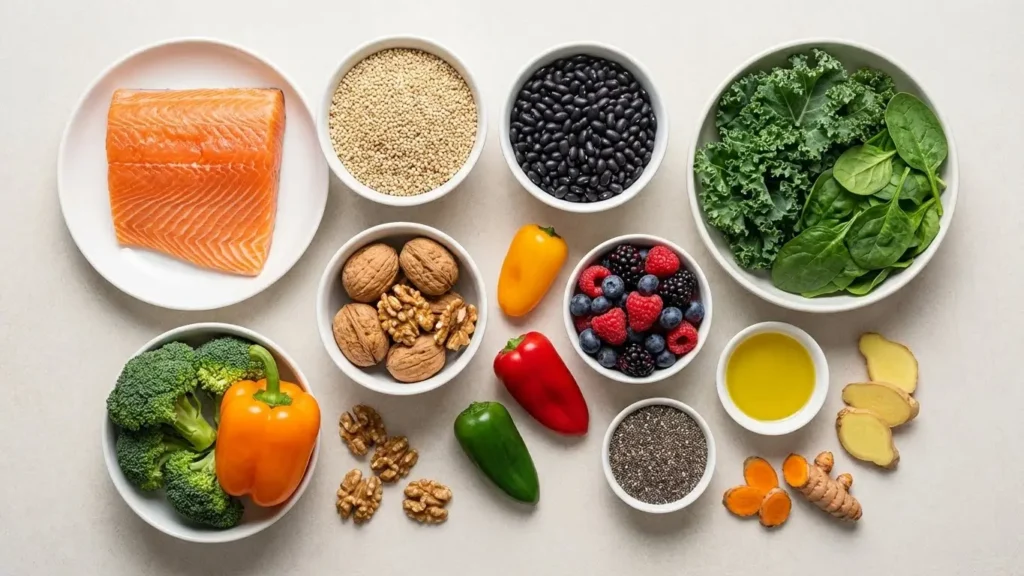
Clinical trials have shown that diets rich in fruits, vegetables, whole grains, legumes, nuts, olive oil, and fatty fish are associated with reduced risk of inflammatory diseases. For example, Mediterranean-style anti-inflammatory diets have been linked to improved cardiovascular outcomes, better glycemic control, and reduced inflammatory gene expression.
Additionally, research indicates that dietary antioxidants neutralize free radicals, reducing oxidative stress, which is a major driver of inflammation at the cellular level. Polyphenols found in plant foods have been shown to modulate inflammatory signaling pathways and support immune regulation.
The Gut–Inflammation Connection
One of the most significant scientific advances in nutrition research is the recognition of the gut microbiome’s role in inflammation. The gut houses trillions of microorganisms that interact directly with the immune system. An unhealthy gut microbiota can increase intestinal permeability, allowing inflammatory compounds to enter the bloodstream.
The anti-inflammatory diet supports gut health by providing dietary fiber, prebiotics, and fermented foods that promote beneficial bacteria. A balanced gut microbiome helps regulate immune responses and reduces systemic inflammation, further reinforcing the importance of dietary choices.
Why the Anti-Inflammatory Diet Matters Today
In the modern era, chronic diseases linked to inflammation are increasing at alarming rates. Medical treatments alone cannot address the root causes of inflammation without lifestyle changes. Nutrition represents a foundational pillar of preventive health care.
The anti-inflammatory diet offers a science-based framework for reducing disease risk, improving metabolic health, and enhancing overall well-being. It empowers individuals to use food as a therapeutic tool rather than relying solely on medication.
Unlike restrictive diets that focus solely on weight loss, the anti-inflammatory diet prioritizes long-term health, sustainability, and nourishment. This makes it particularly relevant for individuals seeking lasting improvements in energy levels, immune function, and quality of life.

Conclusion of the Introduction
The anti-inflammatory diet represents a shift from reactive health care to proactive, preventive nutrition. Grounded in scientific research, it addresses one of the most fundamental drivers of chronic disease—persistent inflammation. By understanding how inflammation works and how diet influences inflammatory processes, individuals can make informed dietary choices that support long-term health.
This introduction sets the foundation for exploring the anti-inflammatory diet in greater depth, including specific foods, nutrients, mechanisms of action, and practical applications in daily life.
Discover more anti-inflammatory and other healthy diet recipes and tips—visit [www.ketoquickmeals.com] and start your healthy eating journey today!

Hi! I’m Momina, a passionate food blogger who loves sharing simple and healthy recipes. At KetoQuickMeals.com, I post easy low-carb meals and helpful tips based on my personal experience and lifestyle.
DisclaimerThe content on this website is for informational purposes only and based on personal experience. It is not medical advice. Please consult a healthcare professional before making any dietary changes.