1. What Is the Mediterranean Diet?
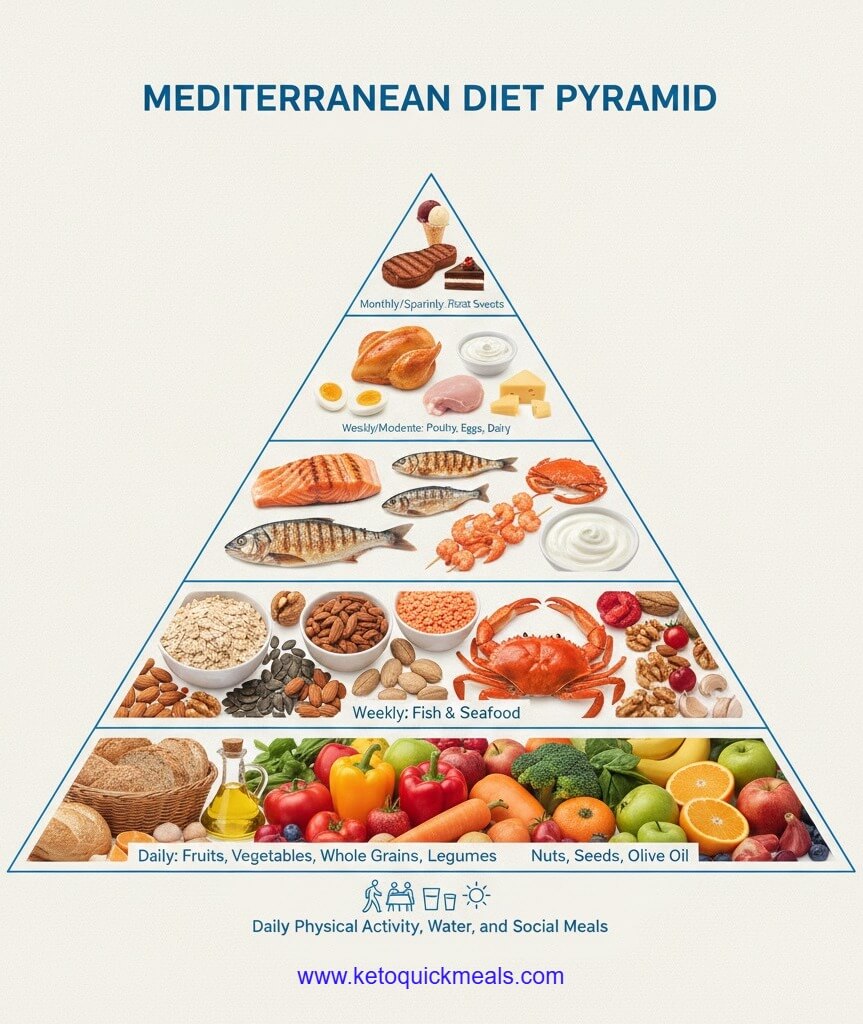
The Mediterranean diet is a way of eating that is inspired by the traditional foods and habits of people living in countries around the Mediterranean Sea, such as Greece, Italy, and Spain. It focuses on eating more plant-based foods like fruits, vegetables, whole grains, legumes (beans and lentils), nuts, and seeds, while using healthy fats such as olive oil instead of butter or other unhealthy fats.
It also encourages moderate amounts of fish and seafood, some poultry, eggs, and dairy, while limiting red meat, sugary foods, and processed foods. The diet is not about strict rules or calorie counting but about making healthier food choices regularly.
Overall, it’s a balanced and heart-friendly eating pattern that can help improve overall health, prevent chronic diseases, and promote a longer, healthier life.
Key characteristics include:
- Heavy focus on fruits, vegetables, legumes, and whole grains
- Use of olive oil as the main source of fat
- Moderate intake of fish and seafood
- Limited consumption of red meat and sweets
- Incorporation of social and mindful eating traditions
- Potential inclusion of red wine in moderation with meals Mayo Clinic Diet+1
This diet is widely recognized as a lifestyle approach to eating rather than a temporary or “crash” diet. Cleveland Clinic
Overview
The Mediterranean diet is rooted in the eating habits of populations that historically had low rates of chronic diseases and high life expectancy. It emphasizes nutrient-dense foods, high fiber, healthy fats, and a balanced approach to eating. Unlike many fad diets, it does not forbid calories or food groups but rather encourages a pattern that supports long-term health. Harvard Health
In research and clinical contexts, it is considered one of the healthiest eating patterns globally, often recommended by health professionals for heart health, metabolic balance, and longevity. Harvard Health
Advanced Benefits of the Mediterranean Diet (Deep & Less-Discussed Insights)
1. It Improves Cellular Aging, Not Just Lifespan
Most people know the Mediterranean diet is linked to longevity, but fewer understand why. Research suggests this diet may slow cellular aging by preserving telomere length—the protective caps at the ends of chromosomes that shorten with age. Diets rich in antioxidants, polyphenols, and healthy fats (like olive oil and nuts) reduce oxidative stress at the cellular level, which helps maintain telomere integrity. This means the diet may support healthspan, not just lifespan.
2. It Actively Reprograms Gut Microbiota
Beyond fiber intake, the Mediterranean diet promotes the growth of beneficial gut bacteria that produce short-chain fatty acids (SCFAs), such as butyrate. These compounds:
- Strengthen the intestinal barrier
- Reduce systemic inflammation
- Improve insulin sensitivity
- Influence brain health via the gut–brain axis
This microbiome shift is so significant that some researchers consider the Mediterranean diet a microbiota-modulating therapy, not just a diet. NIH
3. It Reduces Chronic Inflammation at the Genetic Level
Rather than only lowering inflammatory markers (like CRP), evidence suggests the Mediterranean diet may down-regulate pro-inflammatory gene expression. Nutrients such as omega-3 fatty acids, polyphenols, and flavonoids can influence epigenetic mechanisms—essentially changing how certain genes involved in inflammation are “turned on or off.”
This is one reason the diet shows benefits across many unrelated diseases (heart disease, diabetes, arthritis, neurodegeneration).
4. It Protects the Brain Through Vascular and Metabolic Pathways
The cognitive benefits of the Mediterranean diet are not limited to antioxidants alone. The diet:
- Improves cerebral blood flow
- Reduces insulin resistance in brain cells
- Supports myelin integrity (important for nerve signaling)
This dual vascular-metabolic protection explains why adherence is associated with a lower risk of Alzheimer’s disease and slower cognitive decline, even in older adults.
5. It Improves Fat Quality Stored in the Body
An underappreciated benefit: the Mediterranean diet changes the type of fat stored in adipose tissue. People following this diet tend to store more unsaturated fats rather than saturated fats in body fat cells. This makes fat tissue:
- Less inflammatory
- More metabolically active
- Less likely to contribute to insulin resistance
This helps explain why people can eat a relatively moderate-fat diet yet still maintain better metabolic health.
6. It Enhances Hormonal Balance, Especially in Women
The Mediterranean diet may support healthier estrogen metabolism due to:
- High fiber intake (helps excrete excess hormones)
- Anti-inflammatory fats
- Improved insulin sensitivity
This can be particularly beneficial for conditions such as PCOS, metabolic syndrome, and perimenopausal symptoms, although this benefit is rarely highlighted in mainstream diet discussions.
7. It Lowers Disease Risk Without Triggering Nutritional Stress
Many diets create physiological stress through extreme restriction (low-carb, very low-fat, or calorie-severe plans). The Mediterranean diet avoids this, which:
- Keeps cortisol levels more stable
- Preserves muscle mass
- Reduces binge-restrict cycles
This low-stress nutritional environment may partly explain its exceptionally high long-term adherence rates compared to other diets.
8. It Works Synergistically—Not Nutrient by Nutrient
A key reason the Mediterranean diet outperforms supplement-based approaches is food synergy. For example:
- Olive oil increases absorption of fat-soluble antioxidants from vegetables
- Vitamin C from fruits enhances iron absorption from plant foods
- Polyphenols work better when consumed together rather than isolated
This whole-diet effect cannot be replicated by single “superfoods” or supplements.
9. It Reduces Risk of Frailty in Aging Populations
Emerging research links Mediterranean diet adherence with:
- Better muscle function
- Lower risk of falls
- Improved bone density
This is likely due to a combination of anti-inflammatory nutrients, adequate protein distribution, and micronutrient diversity—an important but often overlooked benefit for healthy aging.
10. It Supports Mental Well-Being Through Multiple Pathways
Beyond general “mood improvement,” the Mediterranean diet influences mental health via:
- Reduced neuroinflammation
- Improved gut-brain signaling
- Stabilized blood glucose (important for emotional regulation)
This multi-pathway support explains its association with lower rates of depression and anxiety, even after controlling for lifestyle factors.
The Mediterranean diet is not just a “heart-healthy diet.” It is a biologically intelligent eating pattern that works at the level of:
- Cells
- Genes
- Gut microbiota
- Brain metabolism
- Hormonal balance
Its benefits extend far beyond weight management or cholesterol numbers, making it one of the most comprehensively protective dietary patterns known in modern nutritional science.
Why the Mediterranean Diet Offers These Benefits
The health benefits of the Mediterranean diet arise not from a single “superfood” or nutrient, but from the synergistic interaction of food quality, nutrient balance, and eating patterns. This combination creates long-term physiological effects that support overall health at multiple levels.
1. High in Antioxidants and Fiber
Fruits, vegetables, legumes, and whole grains are rich in dietary fiber and bioactive compounds such as polyphenols, flavonoids, and carotenoids.
- Fiber improves gut motility, enhances satiety, and stabilizes blood sugar levels.
- Phytochemicals neutralize free radicals, reducing oxidative stress that contributes to aging and chronic disease.
- Together, they help regulate inflammation, improve insulin sensitivity, and support a healthy gut microbiome, which plays a critical role in immunity and metabolic health.
Unlike low-fiber modern diets, this continuous intake of plant foods maintains metabolic flexibility and digestive resilience.
2. Emphasis on Healthy Fats
Extra-virgin olive oil and nuts are primary fat sources, providing monounsaturated fatty acids (MUFAs) and anti-inflammatory compounds.
- MUFAs improve lipid profiles by lowering LDL cholesterol without reducing beneficial HDL cholesterol.
- Olive oil contains oleocanthal, a natural compound with anti-inflammatory effects similar to mild ibuprofen action.
- These fats also enhance the absorption of fat-soluble vitamins (A, D, E, and K) and antioxidants from vegetables, increasing their biological effectiveness.
This fat quality—not fat restriction—is a key reason the diet supports heart and vascular health.
3. Lean and Functional Protein Sources
The Mediterranean diet prioritizes fish and seafood over red and processed meats.
- Fish provides omega-3 fatty acids, which reduce inflammation, improve endothelial function, and support brain cell membrane integrity.
- Omega-3s also influence neurotransmitter signaling, contributing to cognitive and emotional health.
- Plant-based proteins from legumes further reduce saturated fat intake while supplying fiber and micronutrients.
This protein balance supports muscle maintenance, brain function, and cardiovascular protection without overloading the body with inflammatory fats.
4. Reduced Intake of Processed Foods and Added Sugars
By minimizing refined grains, ultra-processed foods, and added sugars, the Mediterranean diet reduces glycemic volatility.
- Stable blood glucose levels lower insulin demand and reduce metabolic stress.
- Fewer processed foods mean lower exposure to artificial additives, trans fats, and excessive sodium—factors linked to inflammation and hypertension.
- This dietary pattern supports hormonal balance and reduces the risk of insulin resistance over time.
Rather than short-term restriction, this gradual reduction improves metabolic efficiency sustainably.
5. Mindful and Cultural Eating Practices
An often overlooked benefit is the behavioral and social structure of the Mediterranean diet.
- Meals are typically consumed slowly, in social settings, which improves digestion and satiety signaling.
- Eating with others encourages portion awareness and reduces stress-related overeating.
- This cultural approach lowers cortisol levels, indirectly benefiting metabolic and cardiovascular health.
Because the diet is enjoyable and culturally grounded, adherence is higher than with restrictive diets—making its benefits more likely to persist long term.
In Essence
The Mediterranean diet works because it aligns with human physiology. It:
- Reduces chronic inflammation
- Supports gut and brain health
- Improves fat and glucose metabolism
- Encourages sustainable eating behaviors
Rather than targeting one disease or nutrient, it creates a biologically supportive environment that promotes long-term health, resilience, and longevity.
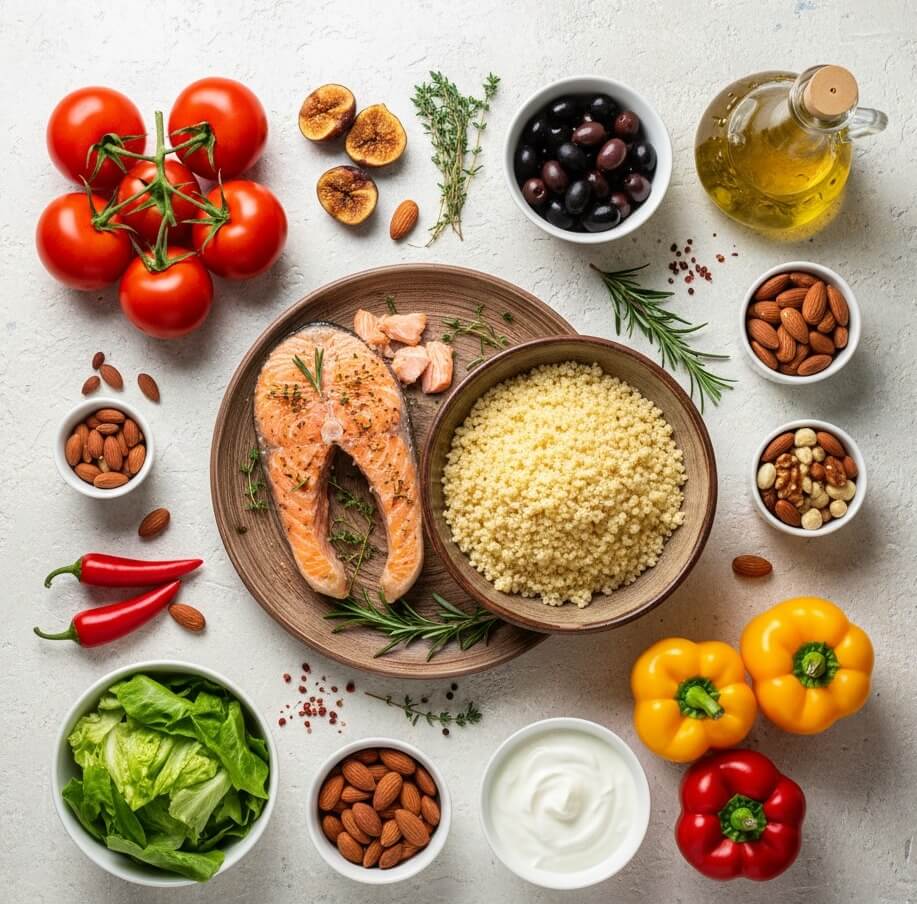
Mediterranean Diet Food List
Foods to Eat Often (Core Foods)
- Fruits: Apples, oranges, berries, peaches, melons.
- Vegetables: Leafy greens, tomatoes, peppers, zucchini.
- Legumes: Beans, lentils, chickpeas.
- Whole Grains: Brown rice, oats, quinoa, whole‑wheat bread, couscous.
- Healthy Fats: Extra‑virgin olive oil, olives, nuts and seeds.
- Fish/Seafood: Salmon, tuna, sardines, trout.
- Lean Proteins: Poultry, eggs (moderation).
- Dairy (Moderate): Greek yogurt, cheese.
- Herbs and Spices: Garlic, basil, oregano, turmeric.
Optional Moderation Items
- Red wine: Small amounts with meals for those without contraindications.
source: WebMD
Mediterranean Diet Serving Goals and Sizes
Serving goals vary depending on energy needs, but general guidelines include:
| Food Group | Frequency/Serving Goal | Portion Examples |
|---|---|---|
| Vegetables | 3–5 times per day | 1 cup raw or ½ cup cooked |
| Fruits | 2–3 times per day | 1 medium fruit or ½ cup |
| Whole grains | 3–6 servings per day | ½ cup cooked grain or 1 slice bread |
| Healthy fats | Daily | 1–4 tablespoons olive oil |
| Fish/Seafood | 2–3 times per week | 3–4 oz cooked |
| Legumes | Several times weekly | ½ cup cooked |
| Nuts/Seeds | Several times weekly | ¼ cup |
| Dairy (mod.) | Few times weekly | 1 cup yogurt or small cheese serving |
These are general targets and can be adjusted based on age, activity level, and health goals.
How to Create a Mediterranean Diet Meal Plan
Below are structured suggestions for each eating occasion.
Breakfast Ideas
- Greek yogurt with berries, nuts, and a drizzle of olive oil.
- Whole‑grain toast with avocado, tomato, and olive oil.
- Oatmeal topped with fruit and chopped walnuts.
- Vegetable omelet with spinach and peppers.
Lunch Ideas
- Quinoa salad with chickpeas, cucumber, tomatoes, and olive oil.
- Grilled fish with mixed greens and whole‑grain bread.
- Lentil soup with a side of mixed vegetables.
Dinner Ideas
- Baked salmon with roasted vegetables and brown rice.
- Grilled chicken with quinoa and mixed greens.
- Whole‑grain pasta with olive oil, garlic, and sautéed veggies.
Snacks
- A handful of nuts or seeds.
- Fresh fruit.
- Hummus with vegetable sticks.
Desserts (Occasional)
- Fresh fruit salad.
- Greek yogurt drizzled with honey and topped with crushed nuts.
Note: Portion sizes should fit your energy needs and goals; consult a dietitian for personalized calorie targets.
Foods Not Allowed (to Limit or Avoid)
The Mediterranean diet does not strictly ban foods, but it strongly encourages limiting or avoiding:
- Added sugars: Candy, pastries, sweetened beverages.
- Refined carbohydrates: White bread, white rice, sugary cereals.
- Highly processed foods: Fast food, packaged snacks.
- Processed meats: Bacon, sausage, deli meats.
- Excessive red meat: Consume sparingly.
- Sugary drinks: Sodas and sweetened juices.
These limits help maintain the diet’s health‑promoting balance.
FAQ About the Mediterranean Diet
Q: Is the Mediterranean diet good for weight loss?
Yes. Because it prioritizes whole foods and fiber, it can support healthier weight management when paired with appropriate portion control.
Q: Can I drink wine on this diet?
Moderate red wine (e.g., one glass daily for women, up to two for men) may be included with meals, if appropriate for your health status.
Q: Is dairy allowed?
Yes, in moderate amounts (Greek yogurt, cheese), preferably low‑fat options.
Q: Can vegetarians follow this diet?
Absolutely. Vegetarians can focus on plant proteins like legumes, nuts, seeds, and whole grains.
Q: How long should I follow it?
The Mediterranean diet is sustainable long‑term. Lifelong adherence yields the most benefit.
Conclusion
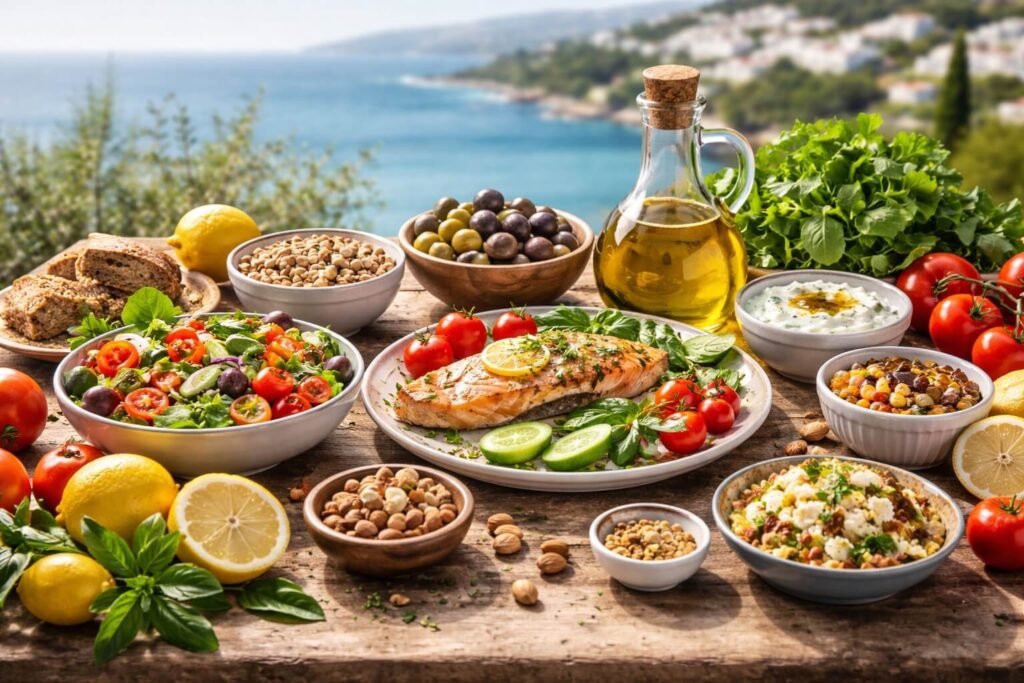
The Mediterranean Diet is more than a nutrition plan—it is a sustainable, science-backed lifestyle rooted in balance, variety, and long-term health. By emphasizing whole foods, healthy fats, lean proteins, and mindful eating, it supports heart health, metabolic balance, brain function, and longevity without restrictive rules or extreme limitations. Its effectiveness lies in the synergy of nutrient-dense foods and cultural eating practices that promote consistency, satisfaction, and overall well-being.
Adopting the Mediterranean Diet is not about perfection but about making gradual, informed choices that align with your body’s natural needs. Whether your goal is better health, disease prevention, or simply eating more mindfully, this dietary pattern offers a realistic and enjoyable path forward.
Ready to get started?
Explore my collection of healthy recipes, carefully designed to be simple, flavorful, and nourishing—so you can turn knowledge into action and enjoy the benefits of this lifestyle every day.

Certified Keto Diet Specialist & Culinary Expert
Momina is a dedicated Keto nutritionist with over 5 years of experience in low-carb lifestyle coaching. At KetoQuickMeals.com, she focuses on making the Ketogenic diet accessible and delicious for everyone. Her recipes are scientifically balanced to ensure maximum health benefits and weight loss efficiency.
Disclaimer: The content on KetoQuickMeals.com is for informational and educational purposes only and is not intended as medical advice or to replace a relationship with a qualified healthcare professional. Always consult your physician before starting any new diet.